
Debunking the Dark Myths: Common Misconceptions About Bats
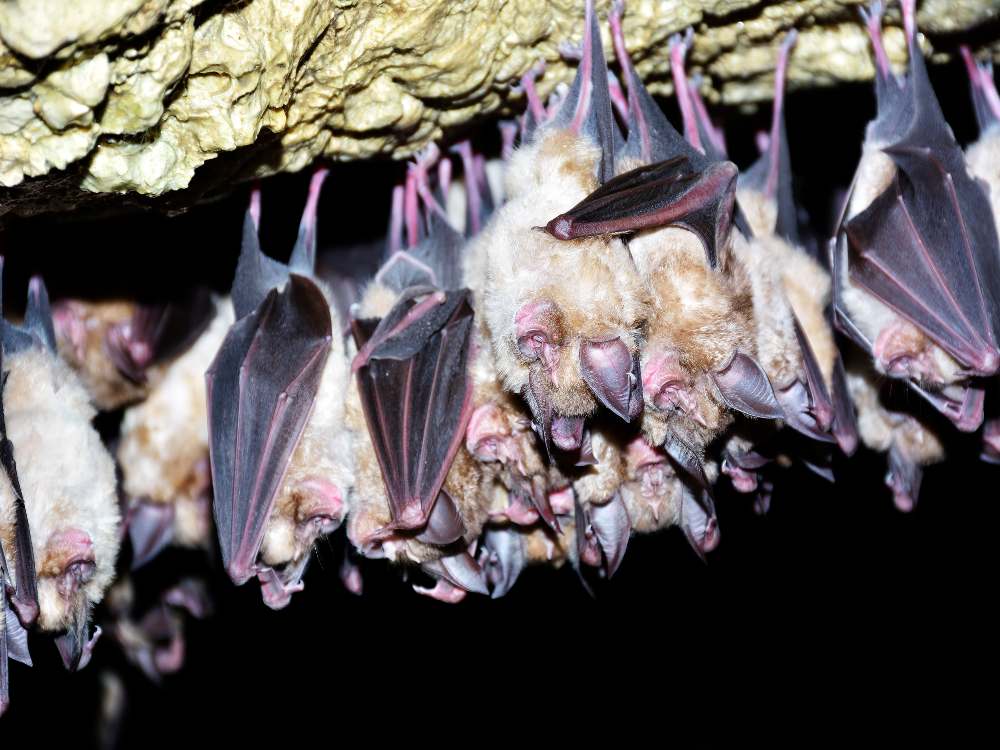
Debunking the Common Misconceptions About Bats
Bats are often misunderstood residents of our local ecosystem, yet they play a vital role in maintaining the environmental balance of Central Minnesota. As essential insectivores, a single little brown bat can consume up to 1,000 mosquito-sized insects in just one hour, providing invaluable natural pest control for our farmers and backyard gardeners alike. Despite these benefits, decades of folklore and misinformation have painted bats as frightening intruders. At Preferred Wildlife Solutions, we believe that understanding the reality of these creatures is the first step toward safe, professional coexistence and effective property management.
Myth #1: All Bats Carry Rabies
One of the most persistent common misconceptions about bats is that they are primary carriers of rabies. In reality, statistically less than 1% of the wild bat population actually contracts the virus. While bats are mammals and can carry the disease, they are not natural reservoirs in the way many believe. A bat with rabies typically becomes lethargic and unable to fly, rather than aggressive. Because the risk is not zero, any grounded or disoriented bat should be handled only by professional bat removal services to ensure human safety.
Myth #2: Bats Attack Humans or Get Tangled in Hair
The idea that bats are aggressive vampires looking to dive-bomb human hair is a total fabrication. Bats utilize a highly sophisticated echolocation system that allows them to detect objects as fine as a human hair in total darkness. If a bat flies near you, it is likely pursuing an insect or attempting to navigate an exit. They have no interest in making contact with humans. These agile fliers are far more interested in their next meal than in any kind of physical confrontation.
Myth #3: Bats Are Destructive Pests
Unlike rodents, bats are not chewers. They do not gnaw on electrical wiring, wooden beams, or drywall to build nests. The primary concern with a bat infestation is not structural destruction, but the accumulation of guano (droppings), which can pose health risks and create odors if left unmanaged. While they may seek shelter in attics or behind siding, they are looking for a stable temperature, not a place to destroy. Professional remediation focuses on cleaning these areas and sealing entry points rather than repairing gnawed structures.
Myth #4: DIY Bat Removal Is Safe and Effective
Many homeowners wonder how to get rid of bats using store-bought repellents or DIY trapping methods. Unfortunately, these approaches are often illegal and rarely effective. In Minnesota, certain bat species are protected, and self-help exclusions during the wrong season can trap flightless pups inside your walls, leading to secondary pest issues and unnecessary animal suffering. Furthermore, attempting to handle bats without proper vaccinations and protective gear increases your risk of exposure to zoonotic diseases.
Why Trust Preferred Wildlife Solutions in Central Minnesota
When it comes to separating bat myths and facts, Preferred Wildlife Solutions stands as the region’s reliable partner for humane and effective bat management. We specialize in professional exclusion techniques that protect both your home and the local bat population. Our service-oriented team understands the specific migratory patterns and legal protections governing Minnesota wildlife, ensuring that your property is bat-proofed legally, safely, and permanently.
FAQs
Are Bats in Minnesota Dangerous to Homeowners?
While bats are not aggressive, they can pose health risks through their droppings (guano) which may harbor fungal spores. It is best to avoid direct contact and seek professional help if they enter your living space.
What Should I Do if a Bat Is Inside My House?
If a bat is in your living quarters, do not attempt to catch it with your bare hands. Close the doors to the room to contain it, and contact a professional wildlife technician immediately to discuss safe removal and testing options.
When Is Bat Removal Season in Central Minnesota?
Effective and humane bat removal (exclusion) is typically performed when bats are active but not raising flightless young. In Minnesota, this usually occurs in early spring or late summer to fall, avoiding the maternity season when pups are unable to fly.
Schedule Your Bat Inspection Today
If you think you may have bats on your property, Preferred Wildlife Solutions is here for all your bat needs in Central Minnesota, from bat prevention to bat removal services. Don’t fall for the myths you’ve heard about these critters. Let us help you with fast, reliable services. Reach out today to speak directly with a professional and schedule your inspection.